Let to Buy and Consent to Let: Keeping Your Home as a Rental
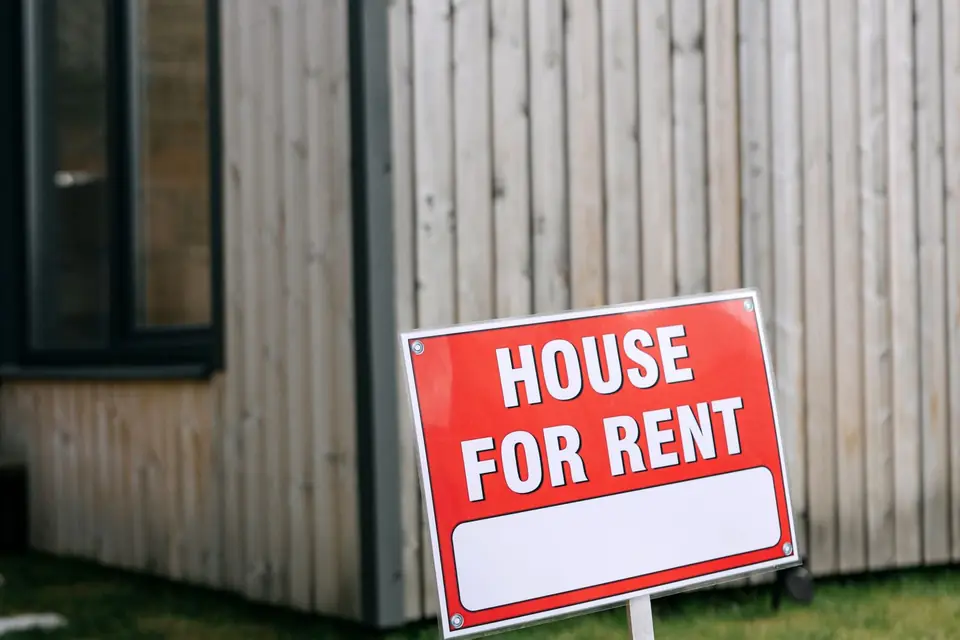
Let to buy means keeping your current home and renting it out, usually to fund the purchase of the next one. Your existing mortgage is a residential one, so you need either the lender's consent to let or a new buy-to-let mortgage before a tenant moves in. Letting without permission breaches the mortgage terms. Because you will then own two homes, the new purchase usually pays stamp duty at the higher rates, 5 percent above the normal rates on every slice of the price.
In this guide
Consent to let or let to buy Stamp duty on the new home Tax on the rent and on a later sale You are now a landlord Running the numbers Frequently asked questions SourcesConsent to let or let to buy
| Consent to let | Let to buy remortgage | |
|---|---|---|
| What it is | Your current lender's written permission to let on your existing residential mortgage | A new buy-to-let mortgage on your current home, often releasing equity for the next deposit |
| Suits | A temporary let, such as a job move or a home that will not sell yet | Keeping the home as a long-term rental |
| Typical terms | Time-limited, and the lender may charge a fee or add to your rate | Sized on the rent under the buy-to-let stress test, often interest only |
| Next purchase | Separate residential mortgage | Separate residential mortgage, assessed with the new buy-to-let commitment |
Terms vary by lender. Ask your lender before you market the property.
A let to buy remortgage must pass the rent test; check the loan your rent supports in the stress test calculator and read how buy-to-let mortgages are sized. If you did not buy the property as an investment, the mortgage may count as consumer buy-to-let, which is regulated. If the home is a leasehold flat, check the lease too: some need the freeholder's consent to sublet.
Stamp duty on the new home
The higher rates apply when, at the end of the day of purchase, you own two or more residential properties and are not replacing your main residence. In let to buy you keep the old home, so the new one is caught even though you will live in it. If you later sell the old home within three years of buying the new one, you can claim back the extra stamp duty. The stamp duty surcharge guide has the full rate table and examples.
Tax on the rent and on a later sale
- Income tax: the rent less allowable expenses is taxed at your normal rates, with a 20 percent credit for mortgage interest. See how rental income is taxed and register for Self Assessment by 5 October after your first letting year.
- Capital gains tax: when you sell, private residence relief covers the years you lived there plus the final nine months of ownership. The rest of the gain is taxed at 18 or 24 percent and must be reported within 60 days of completion. See capital gains tax for landlords and the CGT calculator.
- Making Tax Digital: if your rent plus any self-employed income passes the threshold, £30,000 from April 2027, quarterly updates apply. Check with the MTD checker.
You are now a landlord
Letting your old home brings every landlord duty, even for one property:
- A gas safety record every year, an EICR every five years and an EPC of at least E.
- Smoke and carbon monoxide alarms, and the deposit protected within 30 days.
- Right to rent checks and a written statement of terms for an assured periodic tenancy. There are no fixed terms now, so you cannot let it for exactly a year and then move back in automatically. To return, you need ground 1 and four months' notice, which cannot be used in the first 12 months.
- Landlord insurance in place of your home policy; see landlord insurance costs.
- Registration on the private rented sector database once it opens in your region.
The becoming a landlord checklist puts these in order, and the Renters' Rights Act readiness checker covers the newer duties.
Running the numbers
Before you commit, check that the rent covers the mortgage, costs and tax. Use the rental yield calculator with the average rent for your council, and the running cost guide for the annual bills. If the numbers only work with a long fixed term or a quick return to the property, selling may be the better choice.
Frequently asked questions
What is let to buy?
Keeping your current home and letting it out while you buy another to live in, usually by remortgaging the current home onto a buy-to-let mortgage to raise the deposit for the next one.
What is consent to let?
Written permission from your residential mortgage lender to let the property. It is usually time-limited and may come with a fee or a higher rate.
Do I pay the stamp duty surcharge on let to buy?
Usually yes, because you will own two homes and are not replacing your main residence. If you sell the old home within three years, you can claim the extra back.
Can I rent out my house without telling my mortgage lender?
No. Letting on a residential mortgage without consent breaches its terms, and your home insurance is unlikely to cover a let property.
Can I move back into my house after letting it?
Only by ending the tenancy on ground 1, with four months' notice, and not in the first 12 months. Every tenancy is now periodic with no fixed end.
Sources
HMRC: Stamp Duty Land Tax, buying an additional residential property; GOV.UK: tax when you sell a home you have let out; GOV.UK: renting out a property; GOV.UK: guide to the Renters' Rights Act. Checked 3 November 2026. See the methodology.